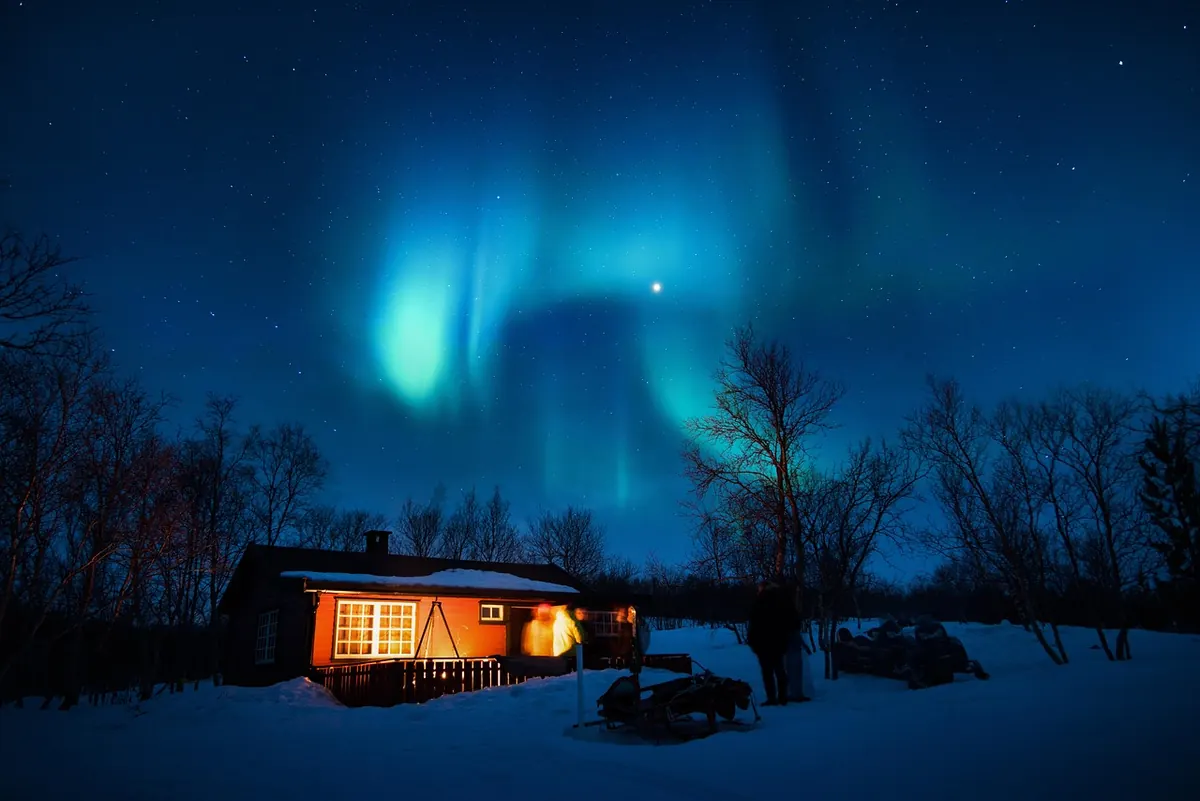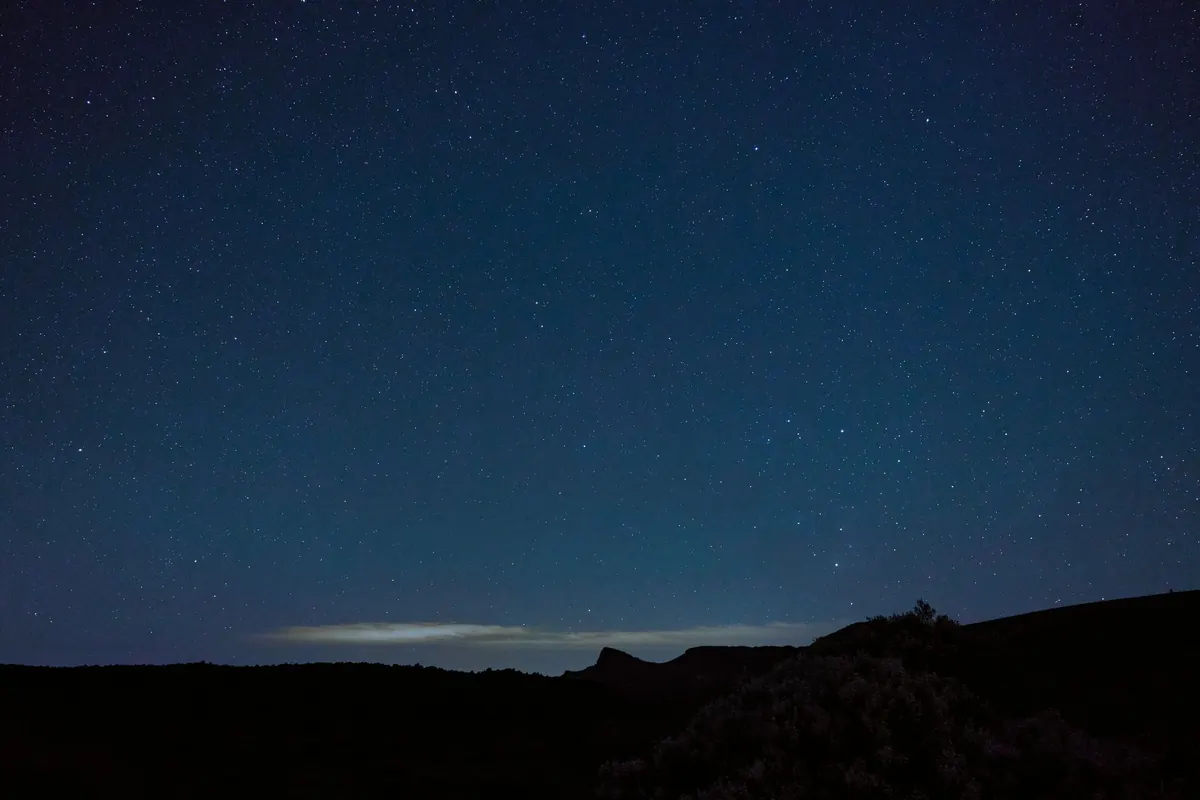
Stand outside on a clear, moonless night in the right part of the country and the sky changes character completely. The Milky Way stops being a faint smudge and becomes a grainy, branching band overhead; familiar constellations turn into signposts rather than the only things you can find. Britain is a crowded, well-lit island, but it still holds genuinely dark corners — and a fair few of them are officially protected.
What follows is a guide to the best of them, along with the practical details that decide whether you get a memorable night or a cold hour staring at cloud.
What counts as a dark sky place
Most of the UK's best sites sit inside the International Dark Sky Places programme, run by Dark Sky International. The labels are worth understanding. A Dark Sky Park is usually a protected area with exceptional darkness at its core; a Dark Sky Reserve covers a larger area, including the villages and farms inside it, and depends on residents keeping their lighting sensible. There are also Dark Sky Sanctuaries and, in towns and cities, Urban Night Sky Places.
Separately, the UK has its own network of Dark Sky Discovery Sites — smaller, often free-to-visit spots such as car parks, lay-bys and country parks. They are graded by what you can reasonably expect to see, and the "Milky Way" class sites are the ones worth driving to.
The flagship sites
Galloway Forest Park, Scotland
Roughly 300 square miles of forest, loch and hill in Dumfries and Galloway, Galloway became the UK's first International Dark Sky Park in 2009. It feels properly wild, yet it is reachable from the Central Belt and northern England. Winter nights here are long, which is exactly what you want.
Northumberland International Dark Sky Park
Northumberland National Park and Kielder Water & Forest Park together form one of the largest protected dark sky areas in England. Kielder Observatory runs public stargazing evenings and they sell out, so book well ahead. Because the park is big and the roads are quiet, you can often find your own spot with only sheep for company.
Exmoor National Park
Exmoor became Europe's first International Dark Sky Reserve in 2011. It is compact, accessible and full of open moorland with big horizons. Dunkery Beacon and the lanes around Wimbleball Lake are popular, but almost any high, unlit pull-in will do the job.
The South Downs
The South Downs National Park was designated an International Dark Sky Reserve in 2016, which makes it the easiest of the big ones to reach from London and the south coast. It will not be as dark as Galloway, but on a clear night the Milky Way is there — good enough for a spontaneous trip after work.
Wales: big skies, small crowds
Bannau Brycheiniog, the Brecon Beacons, was named an International Dark Sky Reserve in 2013, and Eryri (Snowdonia) followed in 2015. The Elan Valley Estate in mid-Wales holds Dark Sky Park status in its own right, with reservoirs and dams that make a striking foreground.
In Wales the challenge is rarely other stargazers; it is the weather. Watch the forecast through the day and be willing to change your plans. A west-facing coast or a sheltered valley can be clear when the mountains are under cloud.
Islands and quieter corners
Some of the best skies are offshore. Sark in the Channel Islands was named the world's first Dark Sky Island, and the Isle of Coll in the Inner Hebrides and Lundy in the Bristol Channel hold similar status. In Scotland, Tomintoul and Glenlivet in the Cairngorms is a Dark Sky Park, and the town of Moffat in Dumfries and Galloway is a Dark Sky Town. Further south, Cranborne Chase on the Wiltshire–Dorset border is an International Dark Sky Reserve, and the Yorkshire Dales also holds dark sky reserve status.
Planning a night that works
- Pick your night around the moon. A full moon washes out everything, so aim for the days either side of a new moon. Moonrise and moonset times matter as much as the phase.
- Read the forecast properly. Look for clear skies through the small hours, not just at nine in the evening, and be prepared to cancel. A two-hour drive to a cloud-covered moor is the classic mistake.
- Think about the season. Autumn and winter give the longest darkness. In the far north of Scotland, midsummer never gets properly dark at all.
- Arrive before sunset where you can. You will find the parking, spot the ditches and livestock, and watch the sky fade rather than stumbling about in the dark.
- Give your eyes twenty to thirty minutes to adapt — then protect that adaptation. One glance at a phone screen undoes it all; switch to red light or a heavily dimmed display.
- Pack for cold. More layers than you think you need, a flask, a chair or mat and a red torch. Midge repellent is essential in western Scotland in summer.
What you will actually see
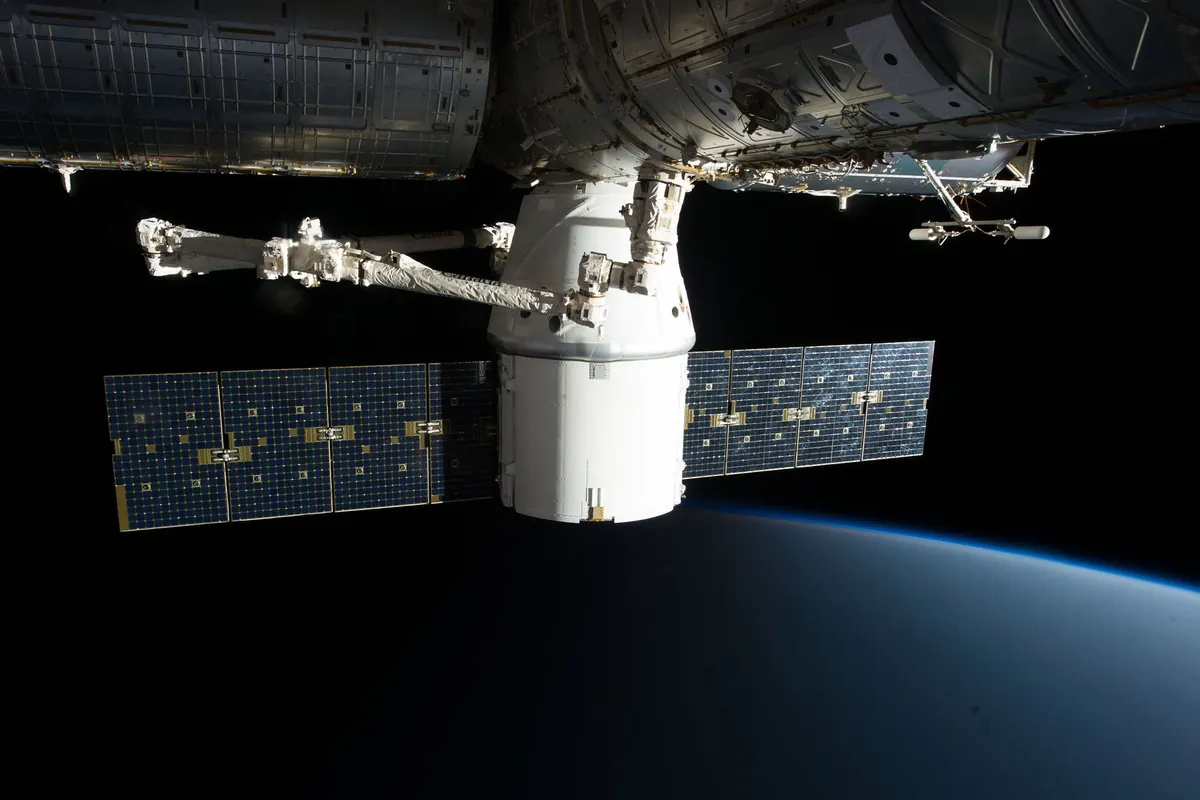
Once your eyes have adjusted, the naked-eye view is better than most people expect: the Milky Way, the Andromeda galaxy as a faint smudge, the Pleiades, the Orion Nebula and the brighter star clusters in Perseus and Auriga. Satellites cross constantly, and passes of the International Space Station are easy to catch if you check the times in advance.
Meteor showers need no equipment at all — the Perseids in mid-August, the Geminids in mid-December and the Quadrantids in early January are the reliable ones. Binoculars make the best first purchase: a pair of 10x50s will show Jupiter's four brightest moons, the Pleiades in full and wide star fields that a telescope's narrow view makes hard work.
Stargazing responsibly
- Use red light. Red torches and red filters preserve night vision, for you and for everyone else on the site.
- Kill the headlights. Switch off as soon as you park, and do not sit with the engine running and lights blazing.
- Park considerately. Never block gates, field entrances or passing places on single-track roads. Use official car parks where they exist.
- Stay on rights of way and open access land. Dark skies do not come with permission to cross farmland, gardens or reseeded fields.
- Leave nothing behind. Take litter home, including bottle tops, and skip fires and disposable barbecues.
- Respect residents. People in dark sky villages keep their lights low so you can see the sky. Keep noise down, especially late at night.
- Give wildlife space. Avoid sweeping bright beams through hedgerows, woodland edges and open water, and keep dogs close around livestock and ground-nesting birds.
- Never point a laser at the sky. It is dangerous near aircraft and can be illegal.
- Fix your own lighting at home. Warm-toned, downward-facing fittings on timers or sensors do more for dark skies than any single visit.
Before you go
Check the site's own guidance on access, parking and any seasonal closures, because reserves are working landscapes rather than visitor attractions. Mobile signal is patchy in most of these places, so download offline maps before you set off and tell someone where you are going and when you expect to be back.
Drive slowly on rural roads at night. Deer, sheep, potholes and cyclists all appear without warning beyond the reach of your headlights. If it is your first serious attempt, an observatory open evening or a local astronomy society meet is the quickest way to learn your way around the sky, and you will usually get a look through someone else's telescope.
And if the clouds win, go back. Dark skies are not a one-off attraction; the sky in October looks nothing like the sky in February.
Photo: Zechen Li / Pexels